


Blog
Best Flooring for Pet Owners in Australia 2026 – Ultimate Scratch & Waterproof Guide

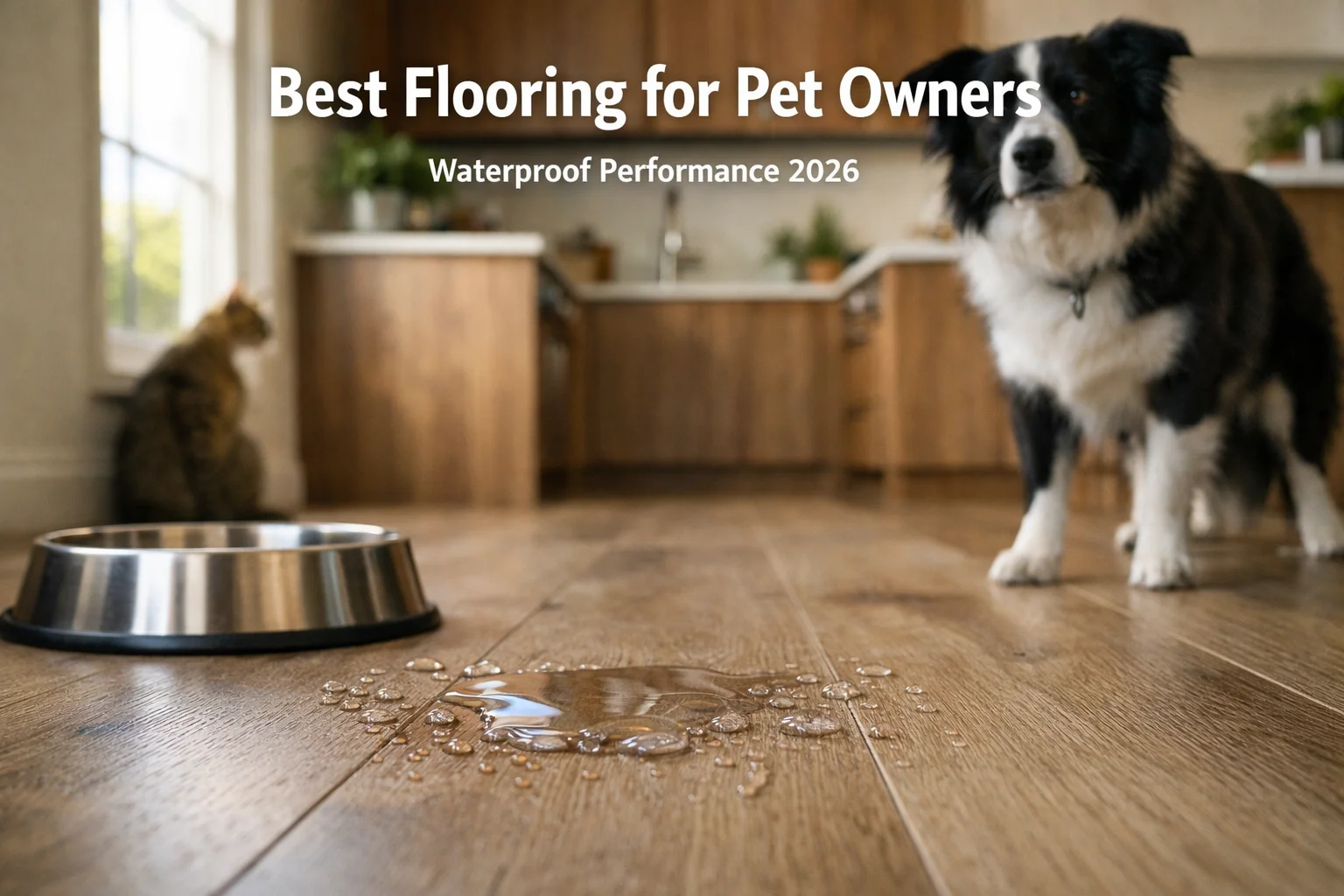
Best Flooring for Pet Owners in Australia (Victoria 2026 Practical Guide)
If you’re searching for the best flooring for pet owners, you’re not being fussy—you’re being realistic. Pets change the entire performance brief of a floor. Claws create micro-scratches, sand and grit grind into the surface, toilet-training accidents test waterproofing, and indoor–outdoor living in Australian homes means you’ll see more dirt, moisture, and traffic day-to-day.
In Victoria, that pressure often combines with apartment acoustic requirements, concrete slabs, and busy family routines. So, this guide focuses on what actually matters in 2026: scratch resistance, dent resistance, waterproof capability (including joins), slip grip for dog joints, cleaning speed, comfort, and noise. It’s written to help you make a confident decision—without relying on vague “pet friendly” marketing claims.
Throughout, we’ll also explain where A1 Flooring Vic typically sees success with hybrid flooring for pets and other modern hard-floor systems—especially in real Victorian homes with dogs and cats.
What Makes Flooring Pet-Friendly?
Pet friendly flooring Australia homeowners choose tends to share one thing: it’s engineered for predictable abuse. Here’s what to assess, practically, before you commit.
1) Scratch resistance (surface wear layer + coating)
Scratch resistance is mainly about the wear layer and the topcoat. Pet claws rarely “gouge” a floor like a knife, but they can create fine surface marks over time—especially when grit is present. In hard-floor products, a thicker, high-quality wear layer generally improves scratch performance (all else equal). Matte, lightly textured finishes also hide daily micro-scratches far better than glossy surfaces.
- Best outcome: matte finish + quality wear layer + grit control at entry points.
- Common surprise: “hard” doesn’t always mean “scratch-proof” if the topcoat is basic.
2) Dent resistance (core density + structure)
Denting is not the same as scratching. Denting occurs when pressure compresses the structure beneath the surface. This is where rigid-core technology can outperform softer formats. If you have a heavy dog (or multiple pets) plus heavy furniture, dent resistance becomes a priority.
- SPC hybrid: typically higher density and more dent resistant.
- WPC: typically more cushioned, but can compress more under point loads.
- Flexible vinyl: can show indentation if the subfloor is imperfect or loads are high.
3) Waterproof core (and waterproof joins)
Waterproof flooring for pets must do two jobs: resist liquid on the surface and prevent moisture ingress at joins. Many products are “water-resistant” on top but still vulnerable at edges or seams if installation is poor or if water sits too long.
For pet households, think about:
- Puppy accidents at night (liquid sits longer).
- Water bowls and drip zones.
- Wet paws after rain.
- Cleaning frequency (more mopping than average).
Rigid-core hybrid and quality vinyl systems can be excellent here, but only when installed correctly with appropriate detailing.
4) Slip resistance (critical for dogs’ joints)
Slipping is not just annoying—it can be a joint and spine risk, especially for large breeds, senior dogs, and long-backed breeds. Very smooth surfaces (high-gloss boards, polished tiles) can increase slip events, particularly when paws are wet.
Practical indicators of better grip include:
- Matte finishes (less “skatey” under paws).
- Light embossing/texture (not deep grooves that trap dirt).
- Strategic rug runners in turning zones (hallways, around corners).
5) Ease of cleaning (hair, odour, dander, mud)
Pet homes need fast cleaning cycles. Hard-floor systems usually win because you can vacuum, microfibre mop, and spot-clean efficiently. The best floors for pets don’t force you into complicated routines or special chemicals to avoid damage.
6) Comfort underfoot (and heat/cold feel)
Tiles can be ultra-durable, but they can also be hard and cold—less comfortable for dogs that lie on the floor. Some owners prefer the softer feel of WPC or certain vinyl products in living areas, while using tiles in wet zones.
7) Noise (claw tapping + apartment acoustics)
Claw tapping is real. In apartments and multi-level homes, it can be a daily complaint. Underlay choice and subfloor preparation can materially change acoustic outcomes. If you’re in a strata setting, it’s also wise to confirm acoustic requirements before selecting your final floor build-up.
How Different Flooring Types Perform With Pets (Balanced, Real-World View)
This section compares common flooring categories against the problems pet owners actually face: claws, accidents, speed of cleaning, and long-term appearance. If your goal is scratch resistant flooring for dogs, keep scratch and dent resistance separate in your mind.
Hybrid SPC flooring (rigid-core)
Hybrid SPC flooring is a strong all-rounder for many Victorian pet households because the rigid core helps with dent resistance and stability, while the surface system (wear layer + coating) does the scratch work.
Why it works well:
- Rigid core supports dent resistance for best flooring for large dogs scenarios.
- Waterproof core helps manage accidents and wet paws.
- Easy daily cleaning for hair and grit.
Watch-outs: SPC can feel firm underfoot. If comfort is a key priority (older dogs, lots of floor lounging), you may balance with rugs, runners, or consider WPC in living zones.
Explore modern hybrid options here: Hybrid Flooring (A1 Flooring Vic).
WPC flooring (cushioned rigid-core)
WPC can be a smart comfort-driven option. Many pet owners like the quieter, slightly softer feel. It can also feel warmer underfoot in winter compared to tile.
Why it can suit pet homes:
- Comfort and noise reduction are often better than SPC.
- Waterproof core performance can be excellent when installed properly.
Watch-outs: Under very heavy loads (large dogs + heavy furniture), WPC can be more prone to compression than SPC. If your household includes large active dogs, consider whether dent resistance is more important than softness.
Luxury vinyl plank (LVP)
LVP remains popular because it’s easy to clean and can be comfortable. However, flexible vinyl relies heavily on subfloor smoothness. In pet homes, that matters because any subfloor imperfection can telegraph through and become a long-term visual issue.
Strengths: waterproof surface systems, softer feel, fast cleaning.
Watch-outs: indentation risk under heavy point loads and sensitivity to subfloor prep quality.
Laminate (where it wins, and where it fails)
Laminate can offer respectable scratch performance, particularly against light abrasion. However, many pet owners choose it thinking it’s waterproof. In practice, moisture at joins and edges is laminate’s weak point—especially with repeated accidents or water sitting overnight.
Where laminate can work: low-accident homes with older, well-trained pets and strong cleaning habits.
Where laminate struggles: puppies, frequent spills, water bowls, and any scenario where liquid might sit.
Engineered timber (beautiful, but higher maintenance)
Engineered timber delivers the natural look many owners love. But as a category, it’s less forgiving for pet traffic. Claw marks can become visible, and moisture events can stain or cause movement depending on the product and finish system.
Practical reality: engineered timber is best when you accept “patina” and commit to protective routines (rugs, nail trimming, prompt clean-up, gentle cleaning products). It can be a poor match for high-energy dogs that sprint and turn on hard surfaces.
Tiles (durable, waterproof, but hard)
Tiles are extremely durable and genuinely waterproof. They are excellent for wet zones and high-mess households. The trade-off is comfort and slip management. Very smooth tiles can be slippery for dogs, and hard surfaces can be tough on joints for large breeds.
Best use: bathrooms, laundries, entry zones, and kitchens—paired with slip-conscious finishes and rugs where needed.
Carpet (comfort, but hygiene trade-offs)
Carpet reduces noise and can be comfortable for pets. Yet it’s the hardest category for hygiene and odour control, especially with accidents or pets that shed heavily. Even with good vacuuming, dander and odours can build up over time.
Best Flooring for Pet Owners: Pet Durability & Waterproof Performance (Australia 2026)
The table below summarises how flooring types perform against the pet-owner issues that matter most. It’s designed for commercial investigation and practical decision-making, not brand comparison.
| Flooring Type | Scratch Resistance Potential | Dent Resistance | Waterproof Capability | Slip Resistance | Ease of Cleaning | Key Risk Consideration for Pet Owners |
|---|---|---|---|---|---|---|
| Hybrid SPC (Rigid Core) | High (quality wear layer + matte finish helps) | Very High (dense core) | Waterproof core; joins depend on install | Moderate to Good (avoid gloss) | Very Easy | Firm underfoot; manage acoustics with underlay |
| WPC (Cushioned Rigid Core) | Moderate to High | Moderate (more compression risk) | Waterproof core; joins depend on install | Good (matte preferred) | Very Easy | Can compress under heavy point loads |
| Luxury Vinyl Plank (Flexible) | Moderate | Moderate | Waterproof surface; subfloor detail critical | Good | Very Easy | Indentation/telegraphing if subfloor prep is poor |
| Laminate | Moderate to High (abrasion resistant surface) | Moderate | Typically water-resistant, not truly waterproof | Moderate (varies by finish) | Easy | Swelling risk at edges/joins after accidents |
| Engineered Timber | Moderate (finish-dependent) | Moderate | Moisture sensitive | Moderate | Moderate | Claw scratches and moisture staining can be visible |
| Tile (Porcelain/Ceramic) | Very High | Very High | Fully waterproof | Varies (polished can be slippery) | Very Easy | Hard/cold feel; joint comfort and grip must be managed |
| Carpet | Low to Moderate | Soft (no dent issue; pile crush can occur) | Not waterproof | Good | Difficult | Odour, staining, allergens and hygiene concerns |
Real-World Pet Scenarios (What Actually Happens at Home)
Choosing the best flooring for pet owners gets easier when you match the product to real behaviours—not ideal scenarios.
Large active dogs (zoomies, cornering, high impact)
This is the toughest environment for any floor. You need strong dent resistance plus practical grip. In most cases, a rigid-core system (often SPC hybrid) with a matte finish performs well, particularly when you control grit at entrances and keep nails trimmed.
Key tips:
- Prioritise dent resistance and grip over “soft feel”.
- Use runners in hallway sprint zones and turning points.
- Place a durable mat at the back door to trap grit before it hits the floor.
Small indoor dogs (more frequent toileting events)
Small dogs can still scratch, but the bigger issue is often accidents—especially at night. Here, waterproof flooring for pets becomes the headline. A waterproof core with reliable join integrity matters more than minor differences in scratch ratings.
Cats with sharp claws (scratching + sand from litter)
Cat claws can create fine marks, but litter grit is often the real culprit. Matte textures hide micro-wear, and fast vacuuming around litter zones reduces abrasive tracking.
Practical setup:
- Use a litter mat to trap particles.
- Choose mid-tone, matte timber visuals to disguise daily dust and hair.
- Provide proper scratch posts to protect corners and edges.
Puppies in toilet-training phase
If you’re toilet-training, plan for “liquid dwell time”. Accidents often sit longer than you think. This is where many floors fail: moisture moves into joins, and edges swell or stain. For puppies, truly waterproof categories (SPC/WPC/vinyl) are usually the safest decision.
Multiple pets household
In multi-pet homes, wear is cumulative. Cleaning efficiency becomes a major factor. Choose a floor you can maintain quickly every day, not a floor that looks perfect only when you deep-clean weekly.
Rental properties with pets
For rentals, the goal is durability, low maintenance, and predictable performance. Rigid-core hybrid is often chosen because it handles most pet issues without demanding “perfect” tenant behaviour. It also helps reduce the risk of a single accident causing permanent damage.
Pet Scenario Flooring Recommendation Matrix (Australia 2026)
Use the matrix below to shortlist the most sensible product category for your home and pet mix.
| Scenario | Recommended Flooring Type | Why It Works | Installation Consideration | Risk Factor to Manage |
|---|---|---|---|---|
| Large Dogs | Hybrid SPC (Rigid Core) | High dent resistance, waterproof core, fast cleaning | Subfloor must be level; use quality underlay if needed | Manage slip risk with matte finish and runners |
| Small Dogs | WPC or Hybrid SPC | Waterproof performance + easier comfort management | Good join detailing around wet zones | Don’t choose gloss (shows marks and can be slippery) |
| Cats | Hybrid SPC or Quality Vinyl Plank | Handles claw wear and is easy to vacuum around litter | Ensure tight joins; manage transitions and edges | Litter grit can act like sandpaper—control tracking |
| Puppies | Hybrid SPC | Best all-round waterproof resilience during training | Correct perimeter finishing; quick spill response setup | Long dwell-time accidents—clean fast and routinely |
| Rental Investment | Hybrid SPC | Durable, low-maintenance, stable performance | Professional installation to reduce join vulnerabilities | Tenant cleaning habits vary—choose practicality first |
Common Pet Flooring Mistakes (That Cause Regret)
1) Choosing laminate assuming it is waterproof
Laminate can be a solid lifestyle product in the right home. However, if you have frequent accidents, laminate can swell at edges and joins once moisture gets in. That damage is often irreversible.
2) Ignoring slip resistance (especially for big dogs)
Large dogs slipping repeatedly can develop anxiety on hard floors and may strain joints. If your dog hesitates on smooth surfaces, take it seriously. Choose matte textures and use runners in high-risk zones.
3) Overlooking dent resistance in “soft-feel” products
Comfort is valuable, yet for heavy dogs and heavy furniture, a softer core can compress. The result can look like a permanent indentation even if the surface coating is intact.
4) Picking dark, glossy finishes that show everything
High-gloss dark floors can show hair, dust, and micro-scratches immediately. In pet homes, mid-tone matte finishes often look cleaner for longer and reduce visual stress day-to-day.
5) Skipping acoustic planning in apartments
If you’re in an apartment, claw tapping can become a neighbour issue. Underlay and installation system choices matter. It’s far easier to plan this before installation than to retrofit later.
6) Forgetting entryway grit control
In many homes, “scratches” are actually abrasion from grit. A good mat at every entry, plus quick vacuuming, can extend floor appearance dramatically.

Maintenance Tips for Pet Homes (Simple Habits That Protect Floors)
Even the most durable flooring for pets 2026 benefits from basic routines. These tips are realistic for busy households.
Trim nails regularly
Short nails reduce scratching and improve grip. If nails click loudly on hard floors, they’re often too long.
Clean spills and accidents immediately
This matters most for join protection. Even waterproof categories perform better when liquids don’t sit for hours.
Use rugs strategically (without covering everything)
- Runner rugs in hallways and turning points.
- Mat under water bowls.
- Soft landing zone near doors to trap grit.
Avoid harsh chemicals
Strong solvents and aggressive cleaners can dull coatings and leave residue that attracts dirt. Use pH-neutral, manufacturer-approved cleaning methods where possible.
Felt pads under furniture
Felt pads reduce micro-scratching when furniture shifts—especially helpful when pets bump chairs or when you clean frequently.
Vacuum grit often, not just hair
Hair is obvious, but grit is the real scratch accelerator. A quick daily pass in entry and living zones helps protect finishes.
Expert Recommendation for the Best Flooring for Pet Owners (Australia 2026)
The best flooring for pet owners depends on your pet mix and how your home is used, but these 2026 guidelines hold up well across Victoria.
When SPC hybrid is ideal
If you want the strongest all-round performance—especially for bigger dogs or busy households—SPC hybrid is often the safest category choice. It commonly offers strong dent resistance, waterproof core performance, and quick cleaning.
When WPC is the better comfort call
If comfort and noise reduction matter most (and you don’t have extreme point loads), WPC can be a good fit. It’s often appreciated in living zones where pets lie down for long periods.
When vinyl plank is sufficient
Vinyl plank can be a sensible solution for moderate pet traffic and owners who want comfort. Just treat subfloor preparation as non-negotiable—because with flexible vinyl, prep quality is performance.
When tiles may be too hard
Tiles are extremely durable and waterproof. However, for large dogs that spend lots of time on the floor, tile hardness and slip risk can be drawbacks. Many owners use tile strategically in wet zones and choose hybrid/vinyl in living areas.
If you’d like a practical recommendation based on your dogs or cats, your subfloor, and your daily routine, speak with the team at A1 Flooring Vic. A short consultation can prevent the most common “wrong product for the household” mistakes.
Helpful references for pet owners: For general animal welfare guidance and responsible pet care, you can also refer to the RSPCA Australia. For timber flooring best practice and industry guidance, see the Australian Timber Flooring Association (ATFA).

FAQs: Best Flooring for Pet Owners (Featured Snippet Style)
What is the best flooring for dogs in Australia?
For most homes, rigid-core hybrid (often SPC) is the most reliable because it combines a waterproof core with strong dent resistance and easy cleaning. Choose a matte finish to improve grip and reduce visible micro-scratches from daily traffic.
Is hybrid flooring good for pets?
Yes. Hybrid flooring for pets is popular because it handles wet paws and accidents well and is easy to clean. The best outcomes come from a quality wear layer, a matte finish, and correct installation so the joins stay tight over time.
Does vinyl plank scratch easily?
Vinyl plank can scratch if grit is tracked inside and not cleaned regularly. However, many modern products perform well for normal pet living when paired with entry mats, frequent vacuuming, and a wear layer appropriate for active dogs and cats.
What flooring is waterproof for pet accidents?
Waterproof flooring for pets typically includes SPC hybrid, WPC, and quality vinyl systems. Waterproof performance also depends on installation details—especially around edges, wet zones, and transitions—so choose an installer who understands those risks.
Is laminate good for pets?
Laminate can resist light surface abrasion, but it is commonly the wrong choice for puppies or frequent accidents because moisture can penetrate joins and swell the core. If you choose laminate, commit to fast clean-up and minimise water exposure.
What flooring is safest for large dogs?
Large dogs often need a balance of dent resistance and grip. Rigid-core hybrid with a matte, lightly textured finish is a common solution. Add runners in turning zones and keep nails trimmed to reduce slip events and surface wear.
Do pets damage engineered timber?
Pets can mark engineered timber over time, especially with sharp claws and grit. Moisture events can also stain or cause movement depending on the product and finish. It can work in pet homes, but it requires higher maintenance and realistic expectations.
What is the most durable pet-friendly flooring?
In many Australian households, SPC hybrid is the most durable all-round option because it offers strong dent resistance, a waterproof core, and quick cleaning. For comfort-driven homes, WPC can be a strong alternative when loads are not extreme.
Note: This guide is designed for practical decision-making in Australian homes. Product performance varies by construction, wear layer quality, finish system, and installation method. For a tailored recommendation, consult a flooring specialist before purchase.